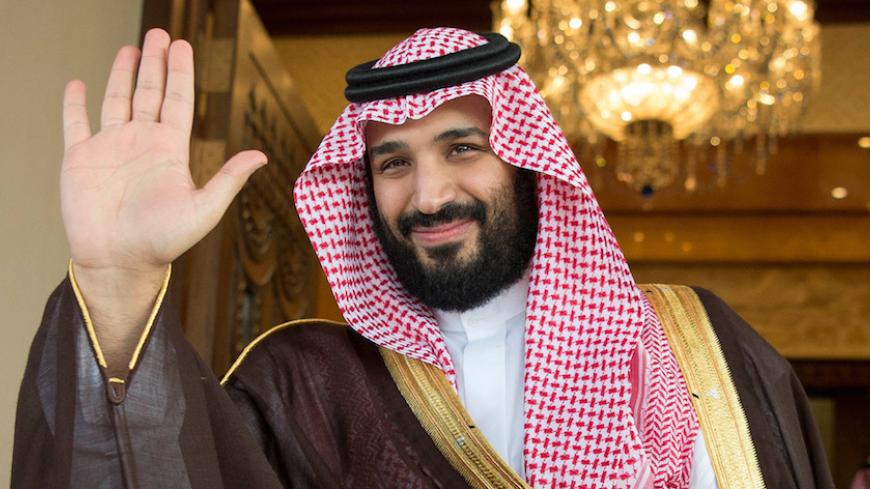
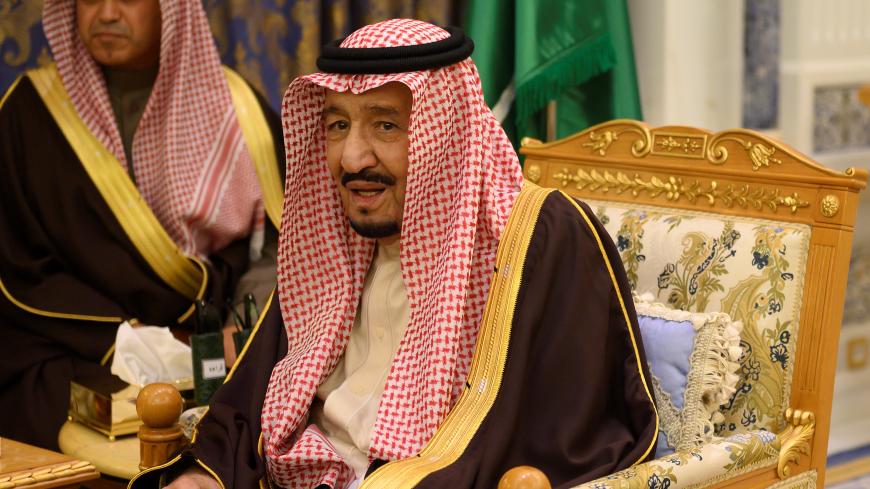
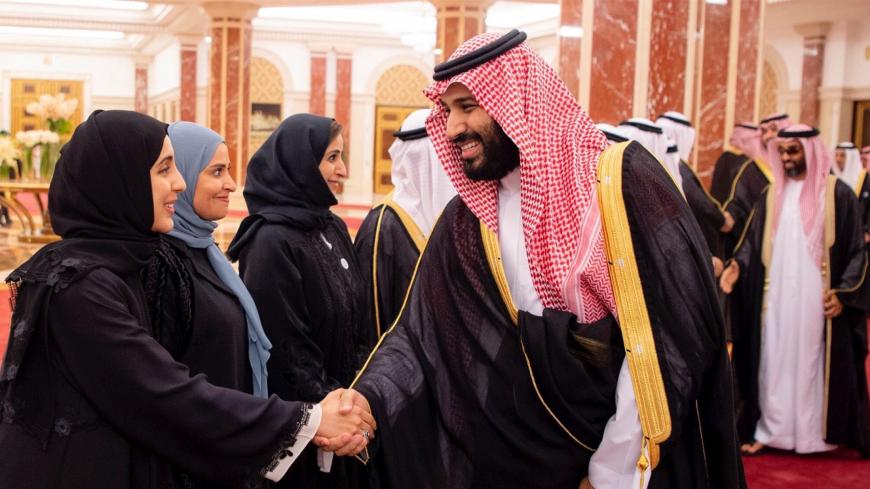
In his two years on the throne, King Salman bin Abdul-Aziz Al Saud has been an innovative leader who has addressed some of Saudi Arabia's most pressing concerns. His foreign policy is more confrontational toward Iran than any of his predecessors. His signature policy is the war in Yemen, which has not been a success.
Salman just celebrated his ascension as measured by the Islamic calendar. The Saudi leader has been touted as a "paradigm shift" in the management of the country. Perhaps his most significant decision was to advance change in the succession process and turn to a younger generation of royals to lead it. At the age of 81, the king has focused on the choice of his successor from his first day in office.
Salman appointed Prince Mohammed bin Nayef to be deputy crown prince shortly after gaining the crown and then deposed his half-brother Prince Muqrin two months later, elevating Nayef, 57, to be crown prince. If Nayef does ascend to the throne he will be the first Saudi monarch who is not a son of the modern kingdom's founder King Abdul-Aziz Al Saud, who died in 1953. It will be a generational change in leadership.
Crown Prince Mohammed bin Nayef is unquestionably the most qualified prince of his generation. He has been at the front of the kingdom's war against terrorism for over a decade. He has survived four assassination attempts by al-Qaeda. He has developed extensive contacts with security chiefs and services around the world. As crown prince, he has the opportunity to broaden his experience and competence.
AL-MONITOR All-Access gives you unlimited access to all our journalism, the full Daily Briefing, exclusive interviews, premium newsletters, and live events — for less than $2/week.